Quick Summary
ISO 15848-1 is an important fugitive emission testing standard for industrial valves. It is used to evaluate valve sealing performance, especially around the stem packing and body sealing areas, under specified test conditions.
For oil & gas, petrochemical and environmentally sensitive applications, low fugitive emission performance can support project compliance review, technical clarification and vendor qualification.
Technical Background
Fugitive emission control is a key consideration for industrial valves used in hydrocarbon, toxic, flammable and environmentally sensitive services. The main concern is leakage from the valve stem packing, bonnet gasket, body joint or other sealing areas during operation.
In project-based valve supply, end users and EPC contractors may require evidence that valves are designed and tested for low emission performance. ISO 15848-1 testing provides a recognized method to evaluate this performance under defined test procedures.
What Is ISO 15848-1 Low Fugitive Emission Test?
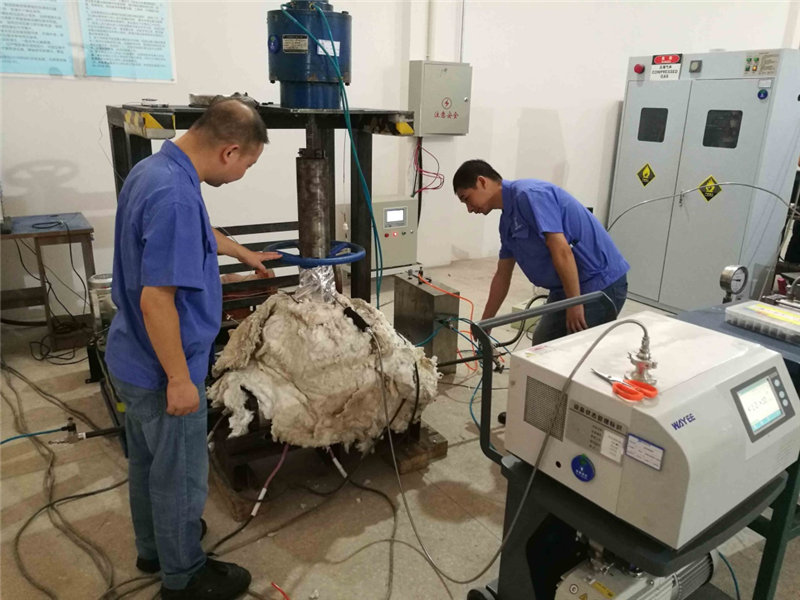
ISO 15848-1 is used for qualification testing of industrial valves regarding fugitive emissions. The test is mainly focused on verifying whether valve sealing areas can maintain acceptable leakage performance during mechanical and thermal cycling.
For project applications, the test result can help demonstrate that the valve design, sealing structure and packing arrangement are suitable for low emission service requirements.
Key Technical Points
– Technical Focus: Fugitive emission control and valve sealing performance.
– Typical Application: Oil & gas, petrochemical, chemical and environmental control services.
– Common Concern: Leakage through stem packing and pressure-retaining joints.
– Project Value: Supports compliance review, technical clarification and documentation submission.
Typical Test Considerations
Valve Type:
Gate valves, globe valves, ball valves and other industrial valves may be subject to fugitive emission review.
Sealing Area:
Stem packing and body / bonnet sealing areas are usually important leakage points.
Mechanical Cycling:
The valve may be operated through defined cycles during the test.
Temperature Condition:
Testing may include temperature-related conditions depending on project requirements.
Documentation:
Test reports and inspection records may be requested by end users or EPC contractors.
Why Fugitive Emission Testing Matters for Valve Projects
Low fugitive emission requirements are becoming increasingly important in industrial valve projects. For plants handling hydrocarbons, toxic media or environmentally sensitive services, valve leakage control is directly related to safety, environmental performance and operational reliability.
From a project execution perspective, ISO 15848-1 test evidence can help reduce technical clarification risks and support compliance discussions with end users, EPC contractors and inspection agencies.
JEV Valve Experience and Support
JEV has experience supporting low fugitive emission testing for industrial valves. According to project requirements, JEV can coordinate valve manufacturing, inspection, testing arrangement and documentation preparation.
Related support may include:
– Valve design and sealing structure review
– Material and packing arrangement confirmation
– Inspection and testing coordination
– Third-party inspection support when required
– Preparation of test reports, inspection records and final documentatio